
If you are searching for information about Christian EMDR therapy, there is a good chance you are carrying emotional pain that feels difficult to move past. Maybe you have experienced trauma, anxiety, panic attacks, grief, relationship struggles, or painful life events that continue to affect you long after they happened. You may also be looking for a therapy approach that respects and incorporates your Christian faith.
At North Woods Christian Counseling, we have spent many years helping people work through trauma and emotional challenges using evidence-based therapy approaches, including EMDR. Our team understands both the clinical side of trauma recovery and the importance faith plays in the healing process. We have seen firsthand how Christian EMDR can help people find freedom from painful memories while remaining grounded in their relationship with God.
In this guide, we will explain what Christian EMDR is, how it works, who it can help, and what you can expect if you decide to begin therapy.
What Is EMDR Therapy and How Does Christianity Play Into It?
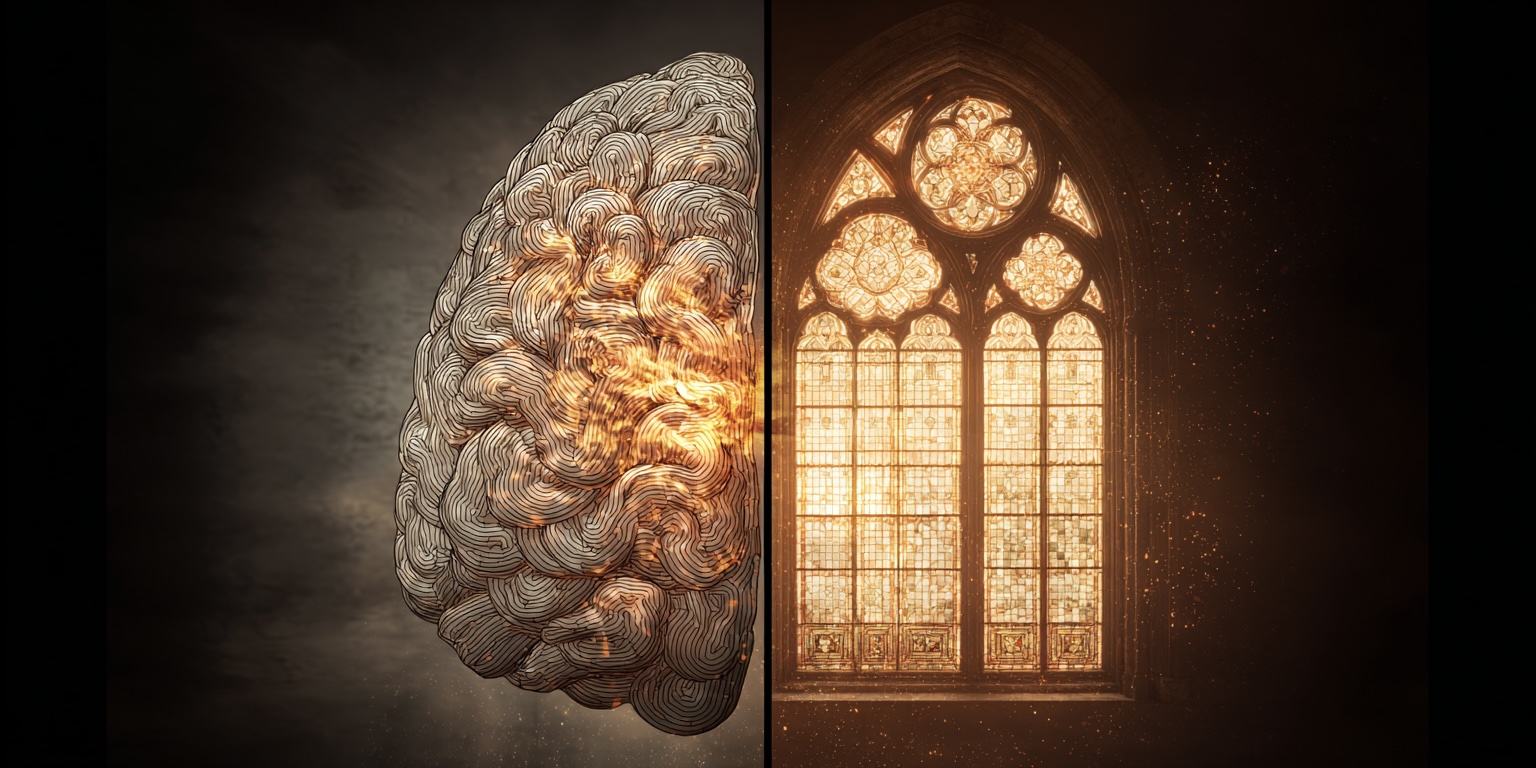
EMDR stands for Eye Movement Desensitization and Reprocessing. It is a type of therapy that helps people process painful or traumatic memories that still affect them in the present. When people go through something overwhelming, the brain does not always file that experience away properly. Instead, the memory can feel stuck. Even years later, certain triggers can bring back the same fear, shame, sadness, anxiety, or stress.
EMDR helps the brain reprocess those memories so they do not feel as intense or controlling anymore. The memory may still exist, but it no longer carries the same emotional weight.
Christian EMDR follows the same evidence-based EMDR process, but it allows faith to be included when that is important to the client. This may involve prayer, scripture, biblical truth, and simply working with a therapist who understands the importance of Christian faith in the healing process. For example, someone may come into therapy believing, “I am not safe,” “I am not good enough,” or “God has abandoned me.” Through Christian EMDR, we can work through the painful experiences connected to those beliefs and help the client move toward healthier, more truthful beliefs.
We don’t force faith into therapy. We create a space where emotional healing and Christian faith can work together in a way that feels safe, respectful, and personal.
Who Can Benefit From Christian EMDR Therapy?
One of the things we appreciate most about EMDR is that it can help with much more than major trauma. While it is widely known for treating PTSD, we have seen it help people work through a wide range of emotional, relational, and spiritual challenges.
Christian EMDR may be a good fit if you are struggling with:
- Trauma and PTSD
- Anxiety and depression
- Grief and loss
- Relationship difficulties
- Low self-esteem and shame
- Church hurt and spiritual trauma
- Stress and burnout
You do not need to have experienced a major traumatic event to benefit. Many of the struggles we face today can be traced back to painful experiences that shaped how we view ourselves, others, and the world around us.
If past experiences continue to affect your emotions, relationships, confidence, or faith, Christian EMDR may help you find healing and move forward with greater peace and freedom.
Finding Your Best Therapist

Finding the right Christian EMDR therapist is about finding someone you trust and feel comfortable opening up to. EMDR often involves working through painful memories and difficult emotions, so having a strong connection with your therapist is important.
We recommend speaking with a few therapists before making a decision. Ask about their experience with EMDR, how they incorporate Christian faith into therapy, and whether they have helped clients with challenges similar to yours. Their answers should help you feel confident that they understand both the therapeutic process and the role faith may play in your healing.
Most reputable therapists will offer a free consultation. This gives you the opportunity to ask questions, learn more about their approach, and decide whether they are the right fit before committing to therapy.
At the end of the day, the best therapist is one who connects with you. They should create a safe environment where you can work through challenges at your own pace while helping you move toward lasting healing and growth.
Step by Step: The Christian EMDR Process
What actually happens during Christian EMDR therapy? While every person’s journey is unique, the process follows the same structured framework. Here is what you can typically expect.
Step 1: Getting to Know You and Your Story
The process begins by getting to know you, your background, and the challenges you are currently facing. We will discuss your goals for therapy, significant life experiences, and how your faith fits into your life. This helps us determine whether Christian EMDR is the right approach for your situation.
Step 2: Preparing for the EMDR Process
Before working through difficult memories, we focus on helping you feel safe and prepared. This may include learning grounding techniques, relaxation strategies, and other coping skills that can help you manage emotions throughout the process.
Step 3: Identifying the Memory to Target
Next, we identify specific memories, experiences, or situations that may be contributing to your current struggles. These memories become the focus of the EMDR process and provide a starting point for healing.
Step 4: Reprocessing the Memory
This is the stage most people think of when they hear about EMDR. Using bilateral stimulation, such as guided eye movements, tapping, or sounds, we help your brain reprocess the targeted memory. The goal is to reduce the emotional distress connected to the experience so it no longer has the same impact on your daily life.
Step 5: Strengthening Positive Beliefs
As the emotional intensity of a memory decreases, we work on strengthening healthier beliefs about ourselves. For Christian clients, this may also involve exploring faith-based truths that align with their values and beliefs.
Step 6: Checking for Remaining Distress
We then assess whether any emotional distress, physical sensations, or negative beliefs are still connected to the memory. If needed, we continue processing until the memory feels significantly less upsetting.
Step 7: Closure
Every session ends with closure. This helps ensure you leave therapy feeling grounded, calm, and emotionally stable, regardless of where you are in the process.
Step 8: Reviewing Progress and Planning the Next Steps
At the start of future sessions, we review your progress and discuss any changes you have noticed since the previous appointment. From there, we decide what to focus on next and continue building on the progress you have already made.
Clients find that memories that once felt overwhelming lose much of their emotional power, allowing them to move forward with greater peace, confidence, and hope.
The Benefits of Christian EMDR

- Reduced anxiety, stress, and emotional distress
- Relief from trauma and PTSD symptoms
- Improved self-esteem and confidence
- Greater emotional resilience
- Healthier relationships
- Freedom from negative beliefs and thought patterns
- Healing from church hurt and spiritual wounds
- Improved ability to manage triggers and difficult emotions
- Greater emotional and mental clarity
- A stronger sense of peace, hope, and purpose
- Increased confidence in your faith and identity
- Lasting healing from painful past experiences
- Improved overall quality of life
- Better emotional regulation in everyday situations
- The opportunity to heal emotionally while staying grounded in your Christian beliefs
Common Misconceptions About Christian EMDR
There are several misconceptions about EMDR that can prevent people from seeking help. One of the most common is that EMDR is hypnosis. In reality, you remain fully awake, aware, and in control throughout the entire process. Another misconception is that you will have to relive your trauma in detail. While EMDR does involve processing difficult memories, most clients are not required to repeatedly talk through every aspect of what happened.
Some people also believe that Christian EMDR is completely different from traditional EMDR. The therapy process itself is the same evidence-based approach. The difference is that faith can be incorporated when it aligns with the client’s beliefs and goals. Finally, many assume that EMDR is only for severe trauma or that it works instantly. While EMDR is highly effective for trauma, it can also help with anxiety, grief, low self-esteem, relationship difficulties, and many other challenges. Like any therapy, healing takes time, and every person’s journey is different.
Try A Free Christian EMDR Consultation at North Wood Christian Counseling
If you are struggling with trauma, anxiety, painful memories, or emotional wounds that continue to affect your daily life, Christian EMDR may be able to help. At North Woods Christian Counseling, we have extensive experience helping individuals find healing through evidence-based therapy while staying grounded in their Christian faith.
We understand that choosing a therapist is an important decision, which is why we offer a free consultation. This gives you the opportunity to ask questions, test different therapists, learn more about our approach, and determine whether Christian EMDR is the right fit for your situation.
Healing is possible, and you do not have to navigate it alone. Contact North Woods Christian Counseling today to schedule your free consultation and take the first step toward greater peace, freedom, and hope.
