
What is the Safe and Sound Protocol, and how can listening to music help regulate the nervous system? The Safe and Sound Protocol (SSP) is a listening program that uses specially filtered music to help the nervous system respond more effectively to stress and feelings of safety.
At North Woods Christian Counseling, we take a whole-person approach to emotional well-being. As experienced Christian counselors and certified providers of the Safe and Sound Protocol, we help adults, teens, and children better understand and regulate their nervous system.
In this guide, we’ll explain how SSP works, who it may benefit, what the research says, and what you can expect from the program.
How Does the Safe and Sound Protocol Work?
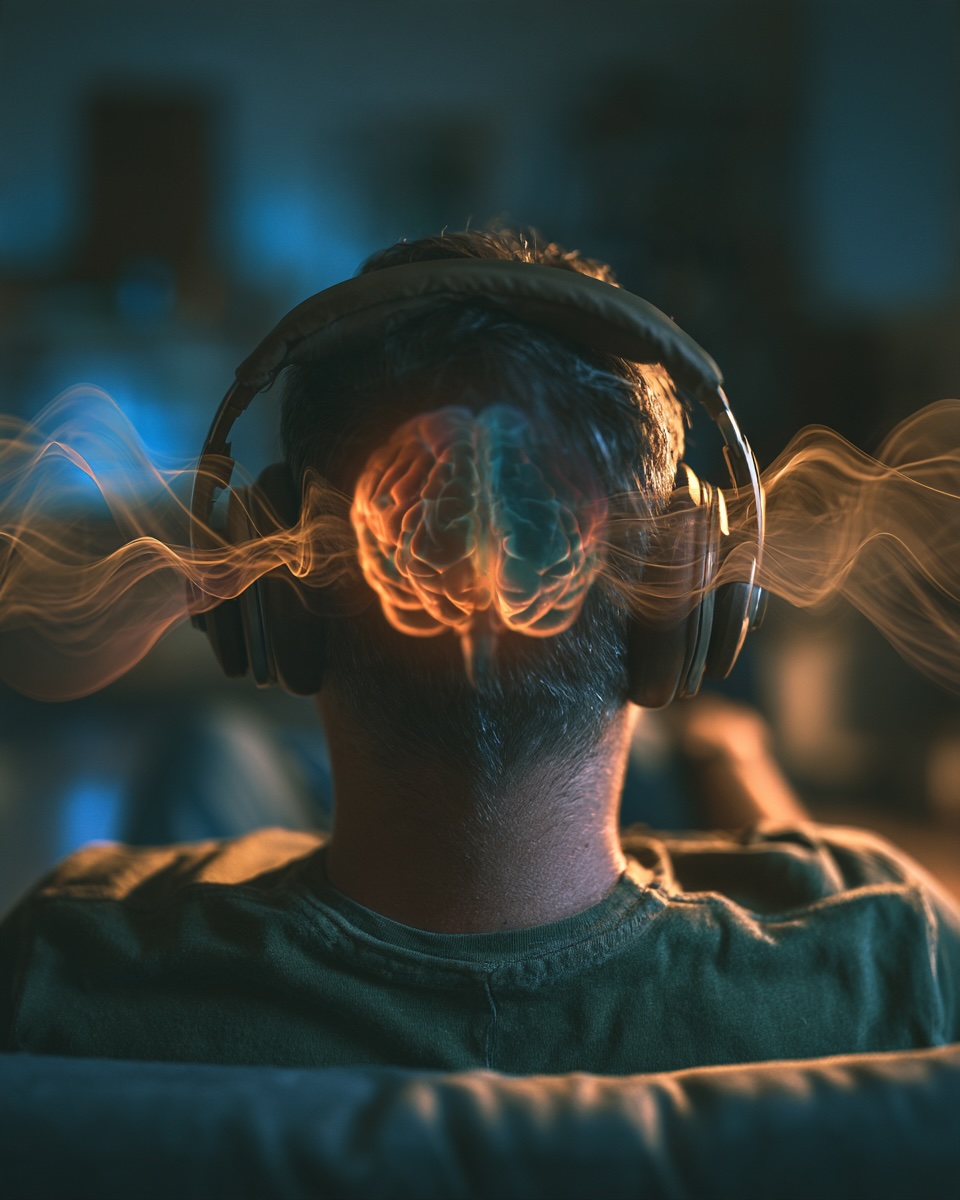
The Safe and Sound Protocol uses specially filtered music listened to through headphones. The music is designed to stimulate the auditory system and support the way our nervous system responds to sounds and signals of safety around us.
Our nervous system is constantly assessing our environment. For some people, it can become overly sensitive, causing everyday sounds, situations, or interactions to trigger feelings of stress or overwhelm.
SSP aims to gently exercise the nervous system so it can become more flexible in how it responds. Over time, this helps us feel calmer, better regulated, and more comfortable in situations that previously felt overwhelming.
The listening program is completed gradually under the guidance of a trained SSP provider, with the pace adjusted depending on how each person responds.
Who Can Benefit From the Safe and Sound Protocol?
The Safe and Sound Protocol can be used with children, teens, and adults who experience difficulty with nervous system regulation, stress, or sensory processing.
We consider SSP for people experiencing:
- Anxiety or ongoing stress
- Trauma-related symptoms
- Sensitivity to sounds or sensory input
- ADHD
- Autism spectrum disorder
- Difficulty regulating emotions
- Feeling easily overwhelmed or constantly on alert
Everyone responds differently, so SSP isn’t a one-size-fits-all approach. We look at each person’s needs, sensitivities, and goals to determine whether the Safe and Sound Protocol may be a suitable option for them.
What Is Polyvagal Theory?

Polyvagal Theory was developed by Dr. Stephen Porges and explores how our nervous system responds to feelings of safety, stress, and perceived danger. It also provides the foundation behind the Safe and Sound Protocol.
Our nervous system is constantly picking up signals from our surroundings. When we feel safe, we may find it easier to relax, connect with others, and think clearly. When our brain detects a possible threat, our body can automatically shift into a more protective state, such as fight, flight, or shutdown.
The Safe and Sound Protocol is designed around these ideas. By using specially filtered music, SSP aims to support the nervous system’s ability to recognize cues of safety and respond more flexibly to everyday situations.
Is it evidence-based?
Studies regarding SSP have shown some promising results.
A 2023 pilot study involving adults with autism found improvements in one measure of social awareness following SSP.
Earlier research involving children with autism also found preliminary evidence that the listening approach helps reduce auditory hypersensitivity. More recently, a 2025 systematic review found preliminary evidence that sound-based interventions support auditory sensitivity and behavioral and emotional outcomes.
At North Woods Christian Counseling, we believe it’s important to be transparent about the evidence. We see SSP as a supportive approach that benefits some people, rather than a guaranteed treatment or replacement for other forms of care. That’s why every consultation begins with an assessment. We take the time to understand what you’re experiencing, your needs, and your goals before determining whether the Safe and Sound Protocol is a good fit for you or whether another approach may be more appropriate.
What Does an SSP Session Look Like?
At North Woods Christian Counseling, we start by getting to know you and understanding what you’re experiencing before beginning the Safe and Sound Protocol.
During the session, you’ll listen to specially filtered music through headphones in a comfortable environment. We’ll check in with you throughout the process, paying attention to how you’re feeling and how your body is responding.
We don’t rush the program. We adjust the length and pace of your listening sessions based on your individual needs and comfort level. If something doesn’t feel right, we can slow things down or make adjustments.
Our goal is to make SSP feel comfortable, supportive, and personalized to you rather than following the exact same approach with everyone.
How Long Does the Safe and Sound Protocol Take and What Does It Cost?
SSP Length
At North Woods Christian Counseling, our sessions are 55 minutes long. The number of sessions you may need will depend on your individual needs, goals, and how you respond to SSP.
We’ll discuss this with you during your initial intake and recommend an approach that suits you.
SSP Cost
The initial intake costs $100, followed by $85 for each 55-minute session. SSP can also be incorporated into coaching sessions depending on your individual needs.
For those who want faith to be part of the process, we can also incorporate Christian counseling into your sessions.
Safe and Sound Protocol in White Bear Lake, MN or Online
At North Woods Christian Counseling, we offer the Safe and Sound Protocol in Minnesota and online, making it easier to access support in a way that works for you.
Our practice is based in White Bear Lake, Minnesota, but we also provide SSP remotely for those who prefer to participate from home. This can be particularly helpful for people who live further away or simply feel more comfortable completing the program in their own environment.
If you’re unsure whether in-person or online SSP is the better option for you, we’ll discuss your circumstances during your initial consultation and help you decide on the most suitable approach.
Get a Free Consultation with North Woods Christian Counseling
If you’re wondering whether the Safe and Sound Protocol could be right for you or your child, the best place to start is with a conversation.
At North Woods Christian Counseling, we offer a free consultation where you can tell us a little about what you’re experiencing, ask questions about SSP, and learn more about how we may be able to help.
We’ll listen to your concerns and help determine whether the Safe and Sound Protocol is a good fit for your needs or whether another approach may be more appropriate.
Contact us today to schedule your free consultation and take the first step.
Frequently Asked Questions About SSP
Is the Safe and Sound Protocol evidence-based?
Research into the Safe and Sound Protocol is still developing. Studies have shown promising results, particularly around auditory sensitivity and nervous system regulation. More large-scale research is on-going to fully understand its effectiveness.
Is the Safe and Sound Protocol safe?
SSP is a non-invasive listening program, but everyone responds differently. We recommend working with a trained provider who can assess your individual needs, monitor your response, and make sure the program is appropriate for you.
What kind of music is used in SSP?
The Safe and Sound Protocol uses specially filtered music designed to stimulate the auditory system and support nervous system regulation. It isn’t simply relaxing music. The audio is specifically processed as part of the SSP program.
Can you do SSP at home?
Yes. At North Woods Christian Counseling, SSP can be completed remotely from home. You’ll still work with us throughout the program, so you have professional guidance and support rather than completing it entirely on your own.
Is SSP suitable for children?
Yes, the Safe and Sound Protocol can be used with children, teenagers, and adults. We work with children and families and can help determine whether SSP is an appropriate option based on your child’s individual needs.
Can SSP help with sensory sensitivities?
Sensory sensitivities are one of the reasons people explore SSP. The protocol is designed to support auditory processing and nervous system regulation, and early research has shown promising results relating to auditory sensitivity. However, everyone’s response can be different.
How do you feel after an SSP session?
Everyone responds differently. Some people may feel calmer or more relaxed, while others may notice more gradual changes over time. We check in throughout the process to understand how you’re responding rather than expecting a particular reaction after every session.
